How Casino Tourism Took Shape in Monte Carlo and Las Vegas
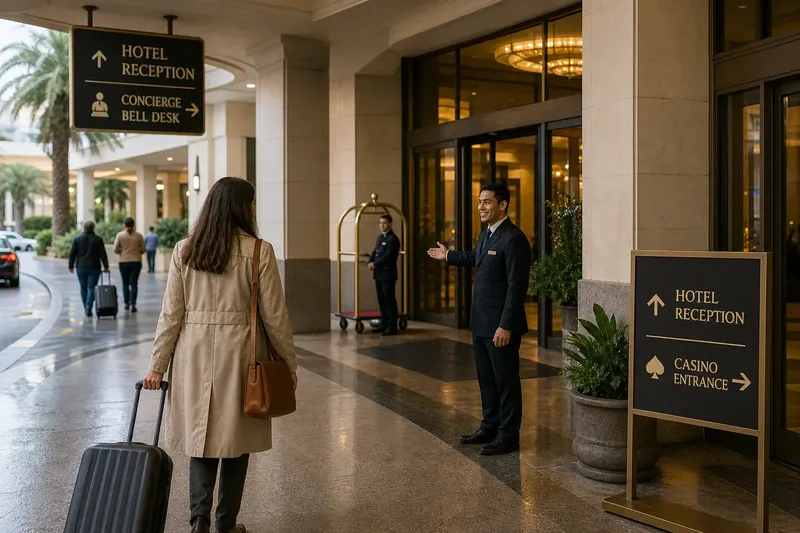
Casino tourism history comes into focus through Monte Carlo and Las Vegas, where hotels, dining and entertainment framed distinct ways to welcome visitors.
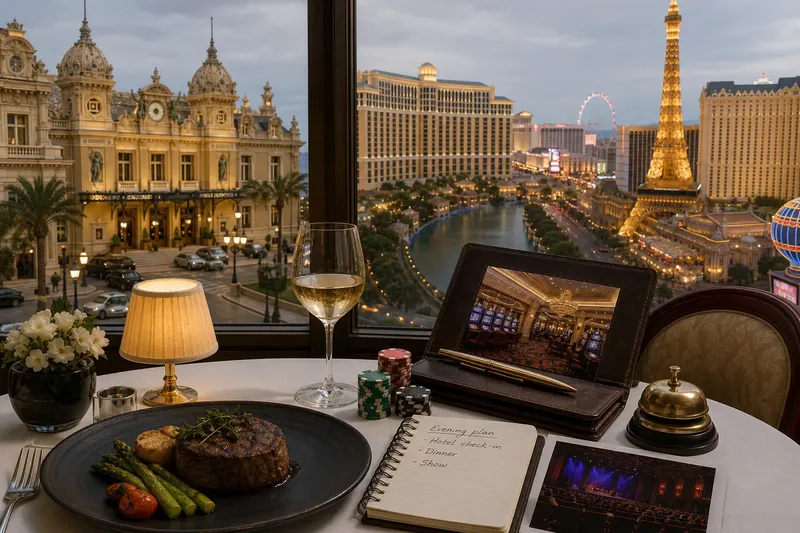
Casino tourism history is easiest to see in the places built around a visit, not only in the gaming rooms. Monte Carlo and Las Vegas offer a useful contrast: one is associated with a European resort setting, the other with large American resort properties that brought accommodation, dining and entertainment together.
Monte Carlo placed gaming within a European resort setting
The Casino de Monte-Carlo became the best-known gaming institution in a destination that also offered hotels and leisure for visitors. Its story belongs to the development of Monaco as a resort, rather than to a tale of a casino standing alone. Hotels, restaurants and public life formed part of the setting in which visitors encountered gaming.
That context matters for hospitality history. A visitor’s stay could extend beyond the casino, and the destination’s reputation depended on more than the gaming rooms. The hotel, dining and leisure offer helped give the visit its shape. This does not mean that every service was managed by one operator; it means that the destination’s hospitality setting is part of the historical picture.
Monte Carlo is therefore a useful case for asking how a place presented gaming to visitors. The relevant comparison is not a claim that it invented casino tourism, but a look at how gaming sat within a recognised resort destination.
Las Vegas brought several resort services under one roof
Las Vegas became closely associated with resort properties in which a guest could find gaming, accommodation, restaurants and live entertainment within the same complex. The arrangement made the property itself a destination: visitors could plan a stay around several services without treating the casino as the whole experience.
This integrated setting also changed the way the resort presented itself. Dining rooms and show spaces were not merely background to gaming; they helped establish the character of a visit. The model is best described as a close physical and commercial association of services, not as proof that every department shared the same staff or operating routines.
Compared with Monte Carlo, the contrast is one of emphasis and setting. Monte Carlo’s casino is commonly understood within the wider resort identity of Monaco. Las Vegas is especially associated with resort complexes that gathered multiple visitor services on site. Neither description is a complete account of either destination, but each clarifies a different way of organising a hospitality visit.
Hotels and restaurants show what casino tourism included
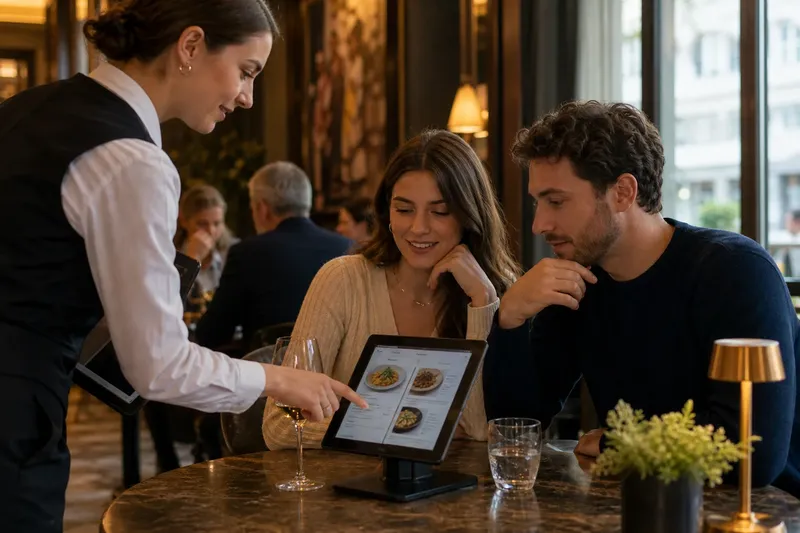
Hotels made an extended visit possible, while restaurants gave guests a place to eat within or near the resort. Entertainment added another reason to spend time at a property. Together, these services help explain why casino tourism is broader than travel for gaming alone.
The historical point is not simply that these amenities existed. Their location and relationship to the casino shaped the visitor’s itinerary. In a dispersed resort setting, a guest might move among distinct venues; in an integrated complex, several services could be encountered in one property. That difference affected how a destination was experienced, even when the underlying services—rooms, meals and entertainment—were familiar.
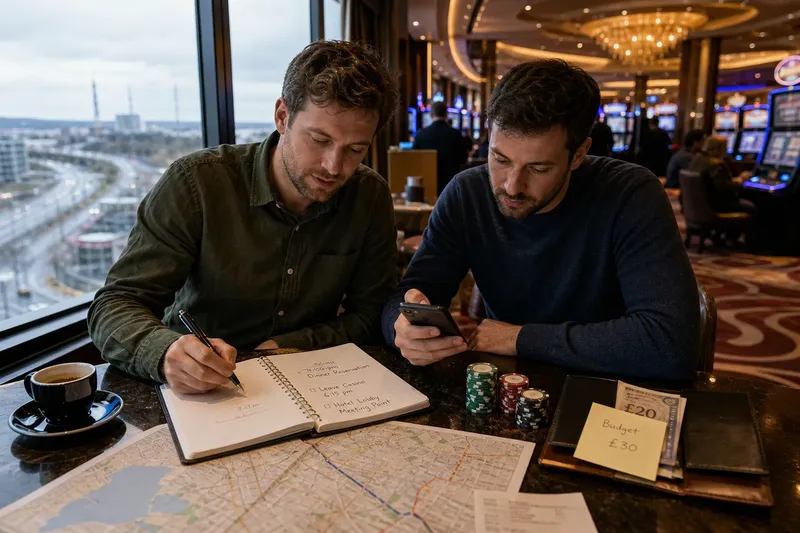
Imagine a fictional visitor planning an evening at a Las Vegas resort: the starting plan is one hotel stay, dinner at an on-site restaurant and a performance in the same complex. The visitor keeps the hotel reservation, chooses a dinner time that leaves room to reach the theatre, then checks the venue’s published schedule before setting out. The observable result is a plan that links three services within one property; if the restaurant and performance times conflict, the visitor must change the meal time or give up one activity. This illustrates an itinerary, not a claim about how every resort operated historically.
Casino tourism history is clearer when these questions are separated?
Why is Monte Carlo relevant to casino tourism history?
Monte Carlo shows how gaming can be understood as part of a resort destination that also included accommodation and leisure. Its significance lies in that wider setting, rather than in a claim that casinos there were isolated from hospitality.
What is distinctive about the Las Vegas resort model?
Las Vegas is strongly associated with properties that placed gaming alongside hotels, restaurants and entertainment. This made the resort complex itself a focus of the visit, while leaving the details of each property’s organisation to its own history.
What role did restaurants play in casino tourism?
Restaurants supported the visitor’s stay and helped shape the time spent at a resort. Their historical importance is clearest when considered alongside where they were located and how dining fitted into the broader visit.
Does casino tourism mean visitors travelled only to gamble?
No. The term concerns travel connected with casinos, but a visitor’s itinerary could also include a hotel stay, meals and entertainment. A sound historical account distinguishes the casino from the wider hospitality offer around it.
Historical comparisons depend on precise claims
Monte Carlo and Las Vegas make a focused comparison, not a complete history of casino tourism. Dates, legal changes and claims about financial motives should be checked against reliable historical or institutional sources before publication. A source that establishes when an institution opened, for example, does not by itself establish why it opened or how much it changed a local economy.
For a reader studying hospitality history, the most useful question is how each destination framed a visit around gaming. Casino tourism history becomes more concrete when attention stays on the relationship among the casino, hotels, food service and entertainment—and when claims about each place are kept within what the historical record can support.